
Upstream Oil & Gas guide
Upstream oil and gas maintenance, preparing field visits with equipment history
Prepare upstream equipment maintenance in Wular Works with field asset records, compressor-hour histories, parts reservations and contractor contacts.
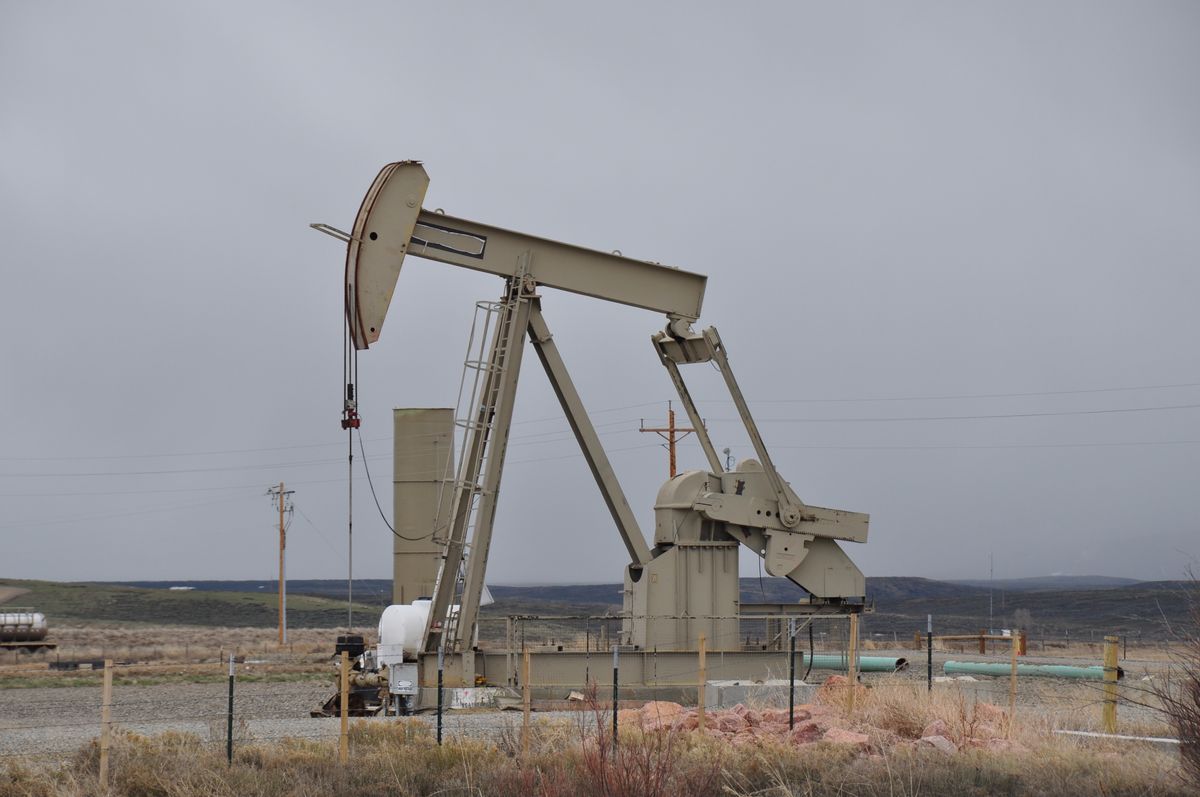
How can Upstream Oil & Gas teams use Wular Works?
Upstream operations teams can use Wular Works to organise field equipment by site, record usage observations and prepare assigned maintenance jobs before a crew travels. Bring the asset history, service instructions, reserved parts and specialist contact together on the relevant record. Plan the visit within the site’s established operating and work-authorisation processes.
Identify the field unit before preparing its service
Several pads may use compressors of the same model. Give each unit a distinct asset code and a location that includes the field and pad. Attach the applicable manual and manufacturer details. A planner reviewing a service request should be able to distinguish the intended unit without interpreting an informal nickname.
Confirm the initial equipment list with the field personnel who maintain it. Keep reusable technical references with the asset and visit-specific reports with their work orders. This gives the next planner a route from the equipment record to the work and evidence relevant to the upcoming visit.
Use recorded hours to prepare the due service
During a field round, the operator records the cumulative compressor-hour observation with its time and unit. A usage-based maintenance plan can generate work from the chosen interval and selected procedure version. The planner can review the generation history and the source readings before confirming the job.
Manual observations need an agreed collection process. Define who records the meter, when the value should be entered and how the team handles a replaced physical meter. The usefulness of the service interval depends on the underlying record being understandable to the workshop and field crew.
Assemble the information needed for the visit
Open the work order and review the unit’s recent findings, the saved instructions and the expected parts. Reserve available components against the job. If an item must be purchased, review its supplier reference and receiving location so the delivery can be connected to the visit preparation.
Link the outside specialist when contractor support is involved. Their contact record makes it easier for the coordinating team to find the intended person. Travel, communications, site access and work authorisation still need to be arranged by the responsible operational staff using the site’s established process.
Capture the outcome for the next field crew
After the service, record the actual work, parts and labour and attach the contractor’s report or requested inspection evidence. Leave a precise finding and next action when more work is needed. The subsequent crew can open the equipment history to understand the previous visit.
Pilot the workflow on one field group. Review whether jobs have distinct asset codes, whether readings are current and whether the required records are available before departure. Measure the completeness of those records before choosing broader improvement targets. Use the pilot to refine the instructions and handoff responsibilities.
Three workflows to put into practice
Connect the guide to the modules your team will use on the job.
Identify the field asset
Similar compressors serve several pads. A location hierarchy and unique asset codes keep field notes and service reports attached to the correct unit.
Explore assetsPlan from run hours
The operator records compressor hours during a field round. The planner can see the observation time and assess the next usage-based service.
Explore asset metersCoordinate a specialist visit
The field planner links the service company’s contact to the compressor work order so the crew can find the right specialist before travelling.
Explore external contactsCommon questions
Can compressor service follow running hours?
A cumulative asset meter can support a usage-based maintenance plan. Review the recorded observations and selected instruction version when preparing the generated job.
How can remote units of the same model be distinguished?
Assign individual asset codes and locations including the field and pad. Keep each unit’s work history and documents on that specific asset.
Can a contractor be linked to a field job?
Yes. Select an external contact on the work order so the coordinating crew can retrieve the specialist’s details.